Scheduling an appointment with one of our providers is now as simple as 1,2,3 with our new online scheduling feature!
NEW SERVICES: FHMS now offers Occupational Medicine! Please contact our Occ Med department at 716-484-4033 to learn more!

Scheduling an appointment with one of our providers is now as simple as 1,2,3 with our new online scheduling feature!
NEW SERVICES: FHMS now offers Occupational Medicine! Please contact our Occ Med department at 716-484-4033 to learn more!
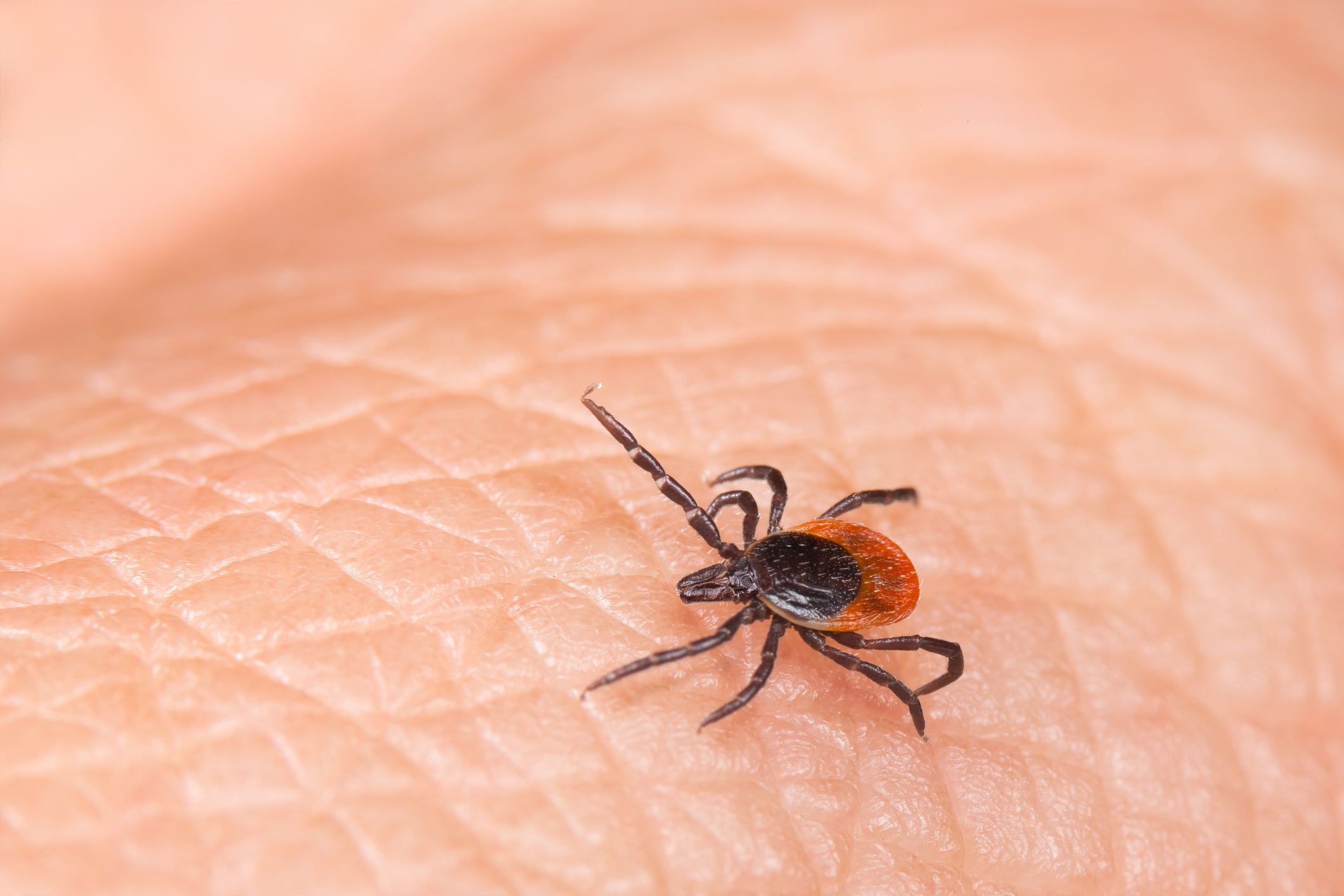
Ticks are common in our area, and not every tick bite requires treatment. However, taking the right steps after finding a tick can help your healthcare provider determine your risk for tick-borne illnesses such as Lyme Disease.
If possible:
Photos or the actual tick can help your provider identify the species and assess the potential risk of disease transmission.
We encourage patients to visit:
This website provides:
Contact our office if you develop:
Symptoms can develop days to weeks after a tick bite.
Please contact us if:
When contacting us, please upload photos of the tick through the patient portal or bring the tick in a sealed bag if available. This information helps us better assess your individual risk and determine the most appropriate next steps.
Remember: Most tick bites do not result in illness, but prompt identification and monitoring can help ensure that any potential tick-borne infection is recognized and treated early.